- 707-582-1228
1110 Burlingame Ave, Ste 211, Burlingame, CA 94010
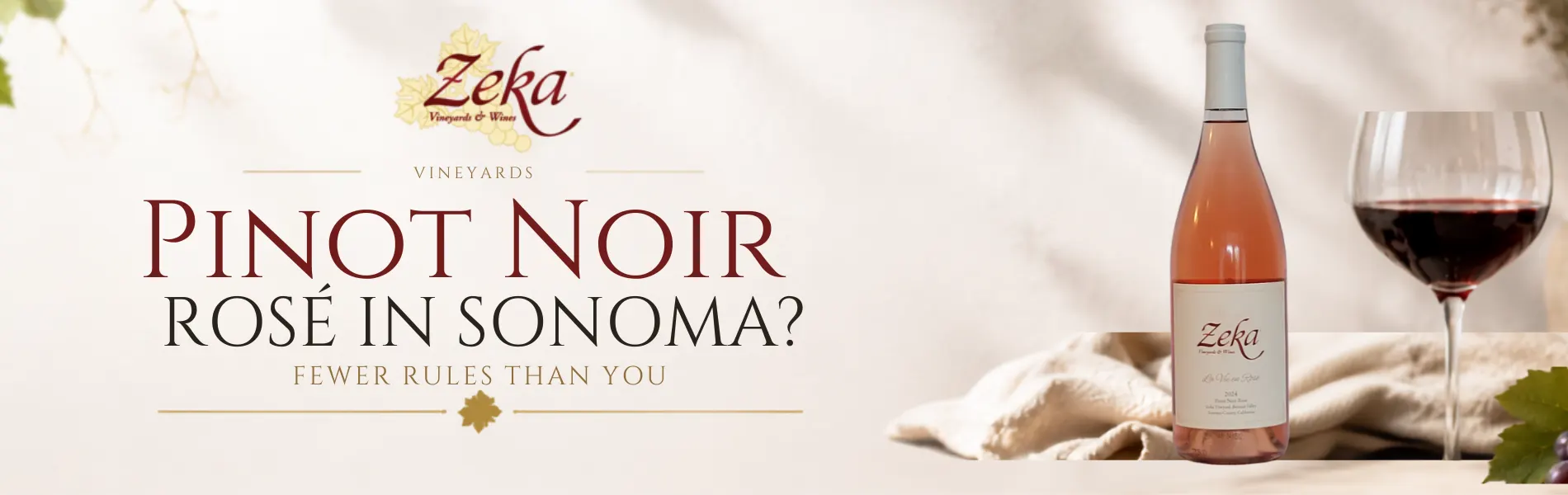
Making rosé was never really the plan.
We have been focused on our Pinot Noir from Bennett Valley for years now, and honestly, that kept us pretty occupied. But 2024 threw us a curveball. The fruit that came off our block that fall was nothing like what we normally see in a red wine year. Lighter, more floral, the kind of thing that makes you stop chewing your grape and look at the person next to you.
We made a rosé. 75 cases, $23 a bottle, first one we have ever done.
If finding the best pinot noir rosé that genuinely reflects where it grew matters to you, we think this is worth your time.
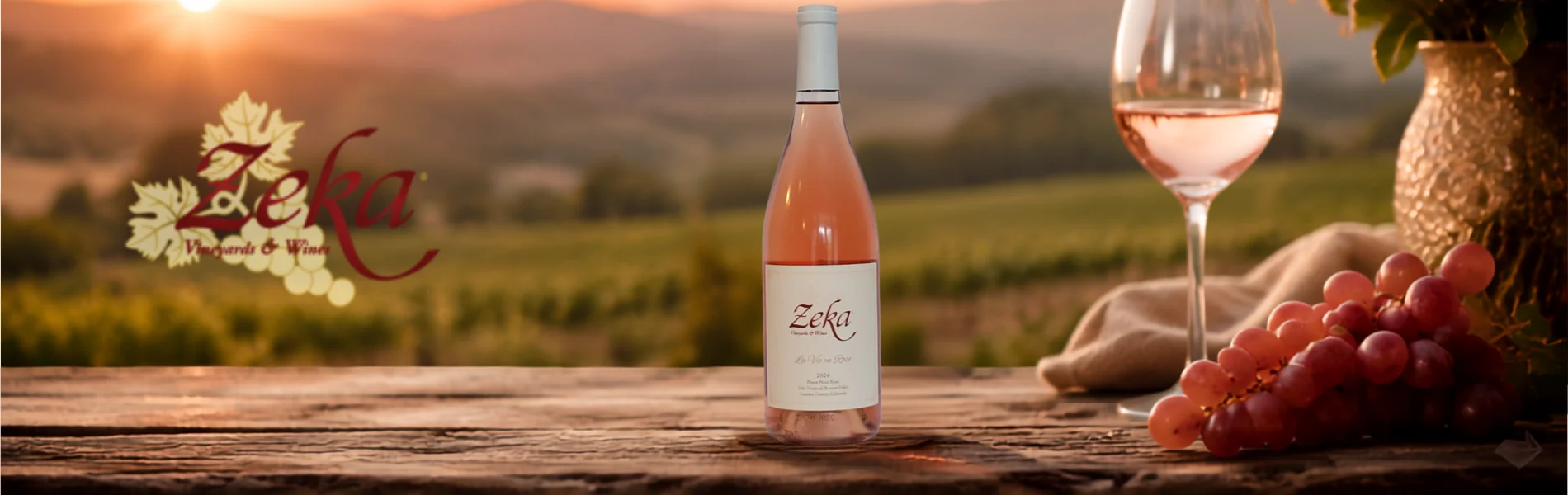
People in the wine trade know Bennett Valley. A lot of wine drinkers do not, which is a bit of a shame.
The valley sits between the Mayacamas range and the Petaluma Gap and gets cool Pacific air pushing through it every morning. It is noticeably colder than most of Sonoma County through the growing season, which is exactly the kind of environment Pinot Noir needs to develop properly without rushing.
Russian River Valley gets the magazine covers. The Sonoma Coast gets the dramatic scenery write-ups. Bennett Valley just gets on with producing really precise, structured fruit year after year without much fanfare.
For rosé specifically, that cool growing environment matters a lot. Grapes that ripen slowly in cooler conditions keep more of their natural acidity.
And in a dry rosé wine, acidity is not just a technical spec you read about on a winery blog. It is what makes the wine interesting past the first glass. Flat rosé happens when the acidity is not there. This one has it.
Wine Folly covers this well in their pinot noir breakdown, noting that cool-climate examples consistently show higher natural acidity and better aromatic precision than fruit grown in warmer sites. That is Bennett Valley.
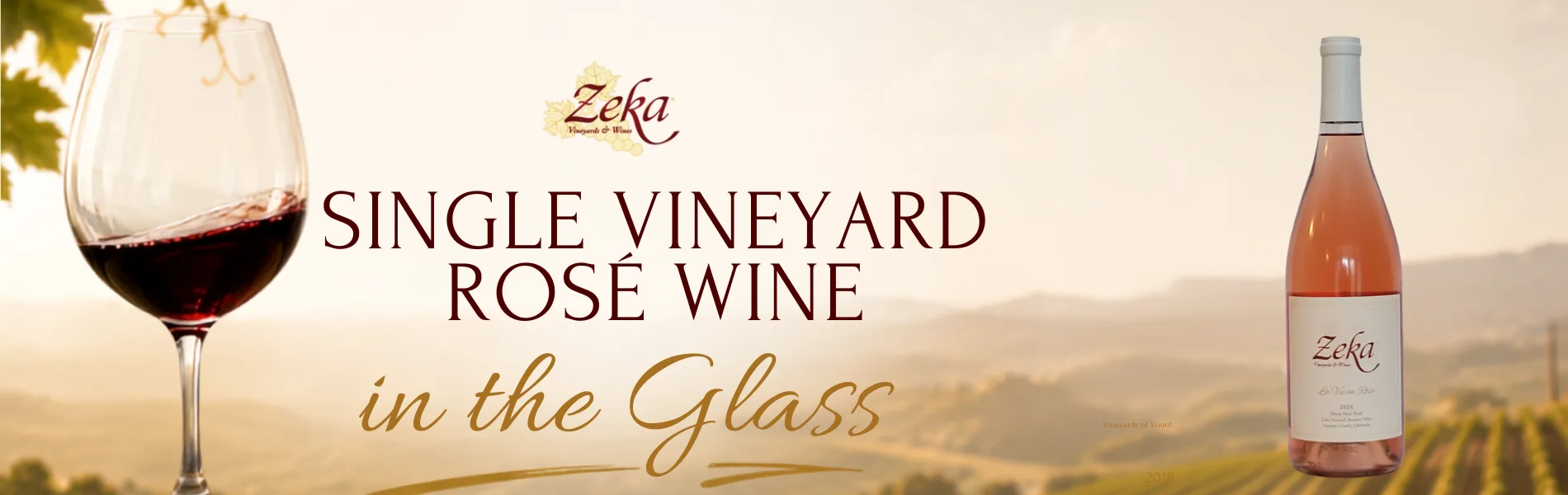
One block. That is the whole sourcing answer.
Everything in that bottle is from one place. Our block on Bennett Valley Road, nothing added, nothing blended in from somewhere warmer or cooler to make the numbers work. When we say single vineyard, we actually mean it. 75 cases came out of that harvest, and 75 cases is what we sold.
We pressed the grapes and split the wine between stainless tanks and some old French oak barrels. Old is the key word there. Barrels that have been filled four or five times already are not really oak barrels anymore in any meaningful flavor sense.
They hold wine, they let it breathe a little, they round things out. That is all we needed them to do.
Five months later, the color had settled into this salmon that genuinely surprised us. Not the watery pink you see on bottles designed to look pretty on a shelf. Something warmer and more honest than that.
Pour it cold, and the first thing you notice is strawberry. Then watermelon comes in, and somewhere underneath there is a little apricot.
The finish is dry and clean and goes away when it is supposed to instead of hanging around. 2024 gave us low yields and tight clusters, which sounds like a problem until you taste the concentration it produces.
Nothing jammy, nothing overblown. Just fruit that actually tastes like it grew in a cool valley and not under a heat lamp.
Oysters if you have them. No apology for that being the first answer; it just works. The brine in a good oyster and the acidity in this wine do something genuinely worthwhile together. Crab, scallops, prawns, most shellfish land in the same good place.
Past that, it gets more flexible. Soft cheese like brie or chevre, a charcuterie spread put together with some care, grilled fish with lemon, simple pasta.
Even a decent pizza, honestly. The wine is dry enough not to feel sugary against fat and salt, and it is light enough that it does not overpower anything you put next to it.
Wine Enthusiast has called dry rosé of pinot noir one of the most adaptable food wines you can open at a table, and the cool-climate acidity is the main reason. It refreshes you between bites instead of adding to the weight of the meal. That is a useful quality in a wine.
That said, the simplest pairing we have found is a cold glass outside at the end of a warm day. Works every time.
Not our place to say that, but here is the context.
A single-vineyard rosé of Pinot Noir from a family-farmed block in Sonoma County does not usually come in at $23. The specificity here- one vineyard, one vintage, five months of careful aging, proper cool-climate fruit- typically costs more when you find it.
We priced it where we did because the point of making a wine is having people drink it, not having it sit in a cellar waiting for a special occasion.
75 cases is all there is. When they sell out, the next rosé will be from the 2025 harvest, and that wine will be whatever 2025 turns out to be.
We genuinely cannot promise it will taste like this one because that is the deal with single vineyard winemaking.
To buy rosé of pinot noir online from Zeka Vineyards, head to zekavineyards.com. $23 per 750ml, shipping available to California and a number of other states.
Wine club members got early access to the 2024 and will continue getting early access to every limited release we do. Three membership tiers:
Dijon ships 3 bottles per year, 10% member discount on all purchases.
Pommard ships 6 bottles per year, 15% off, ground shipping included on club orders.
Calera ships 12 bottles per year, 20% off, free tastings at all events, open house invitations, ground shipping included.
If you have missed a release before and regretted it, the club is the answer to that.
Tough question, lots of good options out there. We think Bennett Valley makes a strong case. Cool climate, precise fruit, real structure. The 2024 is our first rosé from this block and we are happy with how it turned out.
Right at zekavineyards.com. $23 a bottle, ships to California and a handful of other states. Only 75 cases made, so worth grabbing sooner rather than later.
Strawberry and watermelon upfront, a little apricot behind that, dry finish, nothing sweet or heavy. Refreshing is the word most people land on after the first sip.
Oysters are the obvious answer and a good one. Beyond that, soft cheese, grilled prawns, simple fish dishes, a decent charcuterie board. Pretty easy wine to feed honestly.
Really good, and not talked about enough. Pacific air through the Petaluma Gap keeps the valley cool all season. That means the grapes hold their natural acidity, and that acidity is what makes the wine worth finishing.
Same grape, very different process. Red wine sits with the skins during fermentation and picks up tannin and color. Rosé skips most of that. Lighter, fresher, more aromatic.
Cold, around 45 degrees. Keep the bottle in ice if you are drinking outside because it warms fast and loses its freshness with it.
Roughly 120 per 5oz pour. Ours is fully dry, no added sugar, so it sits at the lower end of that range.


Are you 21 years old or older?